The framework starts with small pauses—5-10 minutes total per day initially. It's designed to fit into breaks you already have rather than require major time commitments. You scale up based on what feels sustainable for you.
Educational Framework
The Daily Pause Framework
A structured approach to identifying and integrating movement moments throughout your day. Practical, informational guidance based on workplace wellness principles.
How It Works
Understanding the Framework
The Daily Pause Framework is built on three foundational principles: awareness, consistency, and adaptation.
1
Awareness Phase
Begin by observing your natural work rhythms and identifying existing breaks or transition moments. No changes yet—just observation and understanding your current patterns.
2
Design Phase
With a clear picture of your schedule, design small activity pauses that fit naturally into your existing breaks. These should feel achievable and integrated, not forced.
3
Integration Phase
Implement your pauses gradually, starting with one or two and adding more as they become routine. Track what works and adjust as needed based on your personal experience.
4
Refinement Phase
Over time, refine your approach based on what you've learned about your preferences, energy levels, and what actually fits into your life. This becomes your personalised system.
Core Elements
The Five Pause Types
Our framework identifies five types of pauses that fit naturally into most work environments. Explore each and find which resonate with your situation.
- Transition Pauses: Movement during natural breaks between meetings or tasks.
- Restorative Pauses: Brief moments to recover focus and energy during sustained work.
- Structured Pauses: Scheduled activity time built into your calendar.
- Social Pauses: Movement integrated into interactions with colleagues.
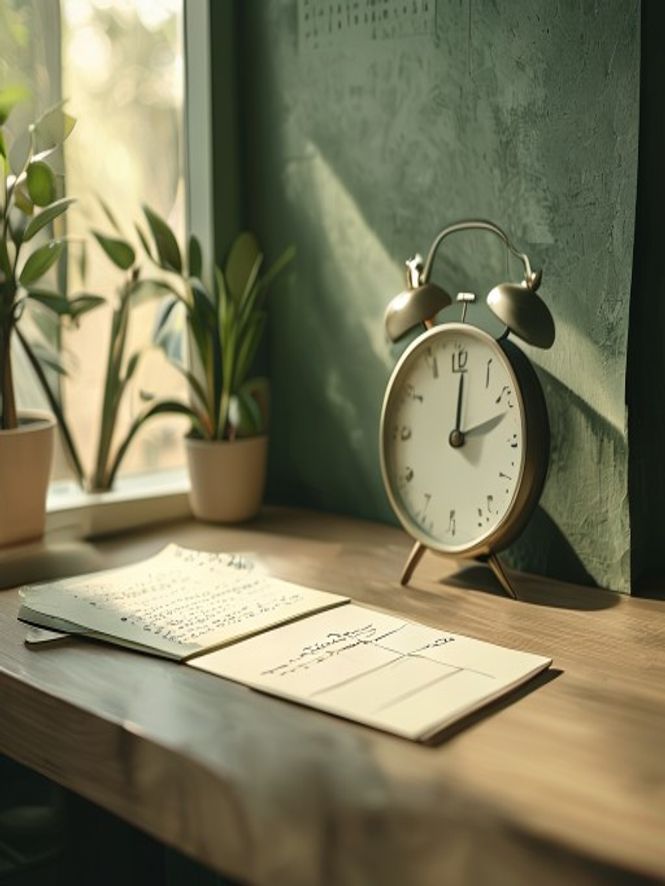
- Ritual Pauses: Movement connected to daily routines like lunch or commute.
Practical Application
Implementation Checklist
Use this step-by-step approach to implement the framework in your own situation.
| Week | Focus | Action |
|---|---|---|
| Week 1–2 | Observation | Note your natural breaks and current movement patterns |
| Week 3–4 | Design | Identify 2–3 pauses to add; plan what movement fits |
| Week 5–8 | Integration | Implement pauses; track consistency and how you feel |
| Week 9+ | Refinement | Adjust based on experience; add more or refine approach |
Workspace Design
Creating an Enabling Environment
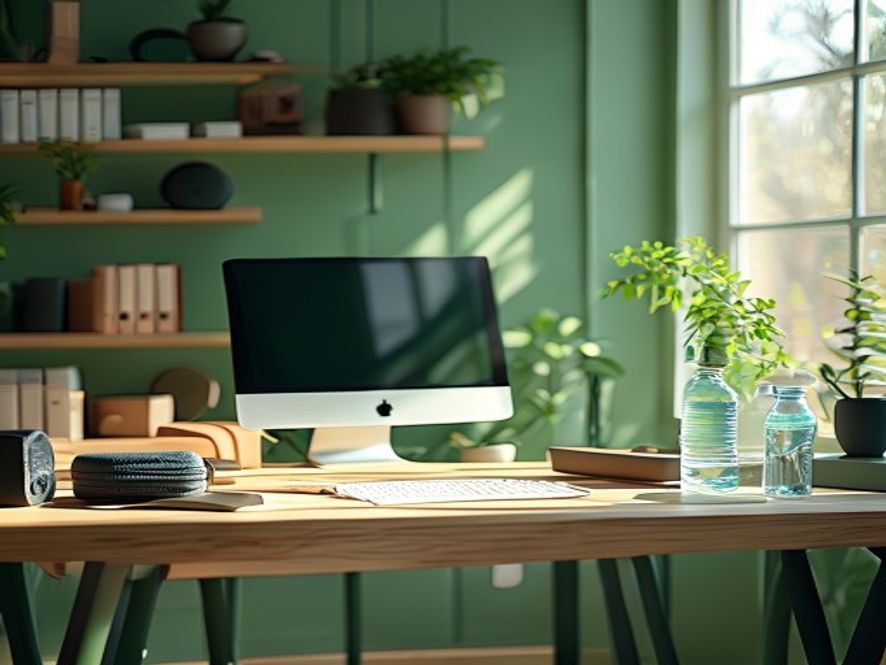
Your physical space can either support or hinder activity integration. Simple adjustments to your workspace can make pauses easier to maintain.
Consider desk height, monitor position, clear floor space for movement, and visual cues (like a calendar marking pause times). Environment design is part of sustainable habit building.
This is purely informational—consult ergonomics resources or professionals if you have specific workspace concerns.
Common Implementation Questions
Many jobs have more flexibility than people initially recognise—lunch hours, transit time, transitions between tasks. Our framework helps you identify these existing gaps. If your situation truly doesn't allow breaks, our consultations can explore realistic alternatives.
Absolutely. The framework is a starting point. The entire approach is built around personalisation. You decide which pause types work for you, how much time to allocate, and what specific activities fit your preferences and circumstances.
We provide simple tracking sheets in our guides. Many people use calendar markings, habit apps, or journaling. The key is tracking consistency and noting how you feel—not achieving perfect adherence. Progress is about sustainable integration, not perfection.
Ready to Learn Your Personalized Pause Strategy?
Our consultants can help you apply this framework to your unique situation.
Book a Consultation